Introduction to Pet Collars and Harnesses
In the delightful realm of pet ownership, collars and harnesses stand as indispensable accessories, holding the dual role of ensuring safety and expressing personality. Whether you are a seasoned pet owner or a newcomer to the world of furry companionship, the importance of selecting the right collar or harness cannot be understated. Not only do these tools serve as a means to attach identification tags, but they also play a crucial role in training and controlling your pet during outdoor adventures.
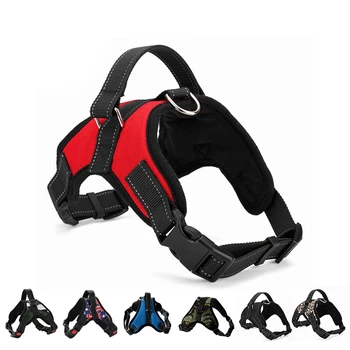
Collars come in a plethora of styles, materials, and functionalities, each designed to meet the diverse needs of pets and their owners. Traditional buckle collars are favored for their simplicity and ease of use, while more advanced options, such as martingale collars, offer added control without sacrificing comfort. On the other hand, harnesses provide an alternative that distributes pressure more evenly across a pet’s body, particularly beneficial for breeds prone to respiratory issues or those with a tendency to pull.
The choice between a collar and a harness often depends on the specific needs and behaviors of your pet. While collars are generally suitable for everyday use, harnesses may be preferable for walking, training, or certain health considerations. Understanding the nuances of these options ensures that your pet remains both stylish and secure.
As a responsible pet owner, ensuring that your pet’s collar or harness is up to par is a step towards enhancing their quality of life. By investing in a high-quality accessory, you not only safeguard your pet’s well-being but also express your love and commitment to their comfort and safety. Ready to explore more? Check out our comprehensive guide on choosing the perfect pet accessory.
Common Signs Your Pet Needs a New Collar
As devoted pet owners, ensuring the safety and comfort of our furry companions is paramount. One of the key accessories in achieving this is a well-fitted collar or harness. However, over time, these essential items can wear out or become inadequate, potentially causing discomfort or even posing safety issues for your pet. Recognizing when it’s time to replace your pet’s collar is crucial for their wellbeing. Here are some common signs that it might be time for a change.
Visible Wear and Tear
Just like any other piece of equipment, your pet’s collar can show signs of aging. Look out for frayed edges, fading colors, or a weakened buckle. These are telltale signs that the collar has endured significant use and may no longer provide the security it once did. A damaged collar can easily break, putting your pet at risk of getting lost or injured.
Signs of Discomfort
If your pet seems to be constantly scratching or chewing at their collar, it could be a sign of irritation or discomfort. This discomfort might stem from the collar being too tight, too loose, or made from a material that irritates your pet’s skin. It’s essential to regularly check the fit and adjust as needed, ensuring that it’s snug but not restrictive.
Outgrown the Collar
Pets grow, and so should their accessories. If you notice that your pet’s collar is leaving marks on their skin or is difficult to put on, it’s likely time to size up. A collar that’s too tight can restrict breathing and movement, while one that’s too loose may slip off easily.
Unpleasant Odor
Over time, collars can absorb sweat, dirt, and oils from your pet’s skin, leading to an unpleasant odor. This not only makes the collar unappealing but may also harbor bacteria, which can cause skin infections. Regularly washing and replacing your pet’s collar can help maintain hygiene and comfort.
By being attentive to these signs, you can ensure that your pet always wears a collar or harness that is both safe and comfortable. Explore our full product line to find the perfect fit for your pet.
Why Your Pet’s Harness Might Need Replacement
When it comes to your pet’s comfort and safety, ensuring that their harness is in optimal condition is paramount. Just like any other piece of equipment, pet harnesses undergo wear and tear over time, which can compromise their functionality and safety. Here are some reasons why you might need to replace your pet’s harness:
Signs of Wear and Tear
A harness that shows visible signs of wear, such as frayed edges, weakened stitching, or discolored material, is more than just an aesthetic issue—it can be a safety hazard. Such damage can lead to the harness breaking unexpectedly, posing a risk to your pet, especially in high-traffic or potentially dangerous areas.
Outgrown or Ill-Fitting Harness
Pets, like humans, can outgrow their clothing and accessories. As your pet grows or experiences weight fluctuations, their current harness may no longer fit properly. An ill-fitting harness can cause discomfort, restrict movement, or even injure your pet. Regularly checking the fit of the harness ensures that it supports their body correctly and comfortably.
Enhanced Safety Features
Advancements in pet safety gear mean that newer harness models come with improved features. Reflective strips for visibility during night walks, anti-pull designs for more control, and ergonomic shapes for better weight distribution are just a few innovations that can enhance your pet’s safety and comfort. Staying updated with these advancements can be a compelling reason to upgrade their harness.
Conclusion
Recognizing the need to replace your pet’s harness is essential in providing them with the best care. While it’s crucial to monitor the condition and fit of your pet’s harness regularly, it’s equally important to stay informed about new harness technologies that can offer better safety and comfort. For more tips on choosing the right harness or to explore our latest collection, feel free to reach out or visit our store.
The Risks of Using a Worn-Out Collar or Harness
When it comes to ensuring the safety and comfort of your beloved pet, the condition of their collar or harness should not be overlooked. A worn-out collar or harness can pose numerous risks, creating potential hazards for both your pet and your peace of mind. As these essential accessories age, they can develop several issues that compromise their functionality and safety.
Firstly, worn-out collars or harnesses may lose their strength and integrity. Over time, materials can fray or weaken, making it easier for a determined pet to break free during an adventurous walk. This not only endangers the pet but can also lead to stressful situations for the owner. A pet that escapes can quickly find itself in dangerous situations, such as traffic or unfriendly encounters with other animals.
Additionally, an old or damaged collar can cause discomfort or injury. Frayed edges or worn patches can irritate a pet’s skin, leading to rashes or sores. This discomfort might cause pets to scratch or bite at the collar, potentially exacerbating the issue and causing further harm.
Moreover, worn-out collars and harnesses often fail to perform their primary function: safe and effective restraint. Buckles or clips may become loose or malfunction, failing to secure the pet adequately. This failure not only increases the risk of escape but can also make it difficult for the owner to keep control during walks, posing a risk to both pet and owner.
In conclusion, regularly checking and replacing worn-out collars and harnesses is paramount in maintaining your pet’s safety. Investing in high-quality, durable pet accessories can prevent many of these issues, ensuring that your walks remain enjoyable and worry-free. Ready to upgrade your pet’s gear? Discover our selection of top-rated collars and harnesses to keep your furry friend safe and stylish.
Choosing the Right Collar or Harness for Your Pet
When it comes to selecting the perfect collar or harness for your pet, it’s essential to consider both comfort and functionality to ensure your furry friend’s safety and happiness. Given the plethora of options available on the market, making the right choice can feel overwhelming. However, understanding your pet’s specific needs and personality can simplify the process significantly.
Firstly, consider whether a collar or harness is more appropriate. Collars are typically suitable for everyday use and identification, often featuring space for tags that carry crucial information such as your contact details. They’re ideal for dogs that are well-trained and have good leash manners. However, if your pet tends to pull or has any health issues like tracheal collapse, a harness is often a more suitable option. Harnesses distribute pressure evenly across the body, preventing strain on the neck and providing better control during walks.
Next, evaluate the material and fit. Collars and harnesses come in various materials, including nylon, leather, and fabric. Nylon is durable and easy to clean, while leather offers a classic, sophisticated look. Whatever the material, ensure that it is comfortable on your pet’s skin and not too tight—allowing for two fingers to fit comfortably between the collar or harness and your pet’s body is a good rule of thumb.
Lastly, don’t forget about style and personalization. Many brands offer customizable options, allowing you to select colors and patterns that reflect your pet’s personality or your own preferences. A stylish collar or harness can be a great way to show off your pet’s character while ensuring they remain safe and identifiable.

0 Comments